


Introduction
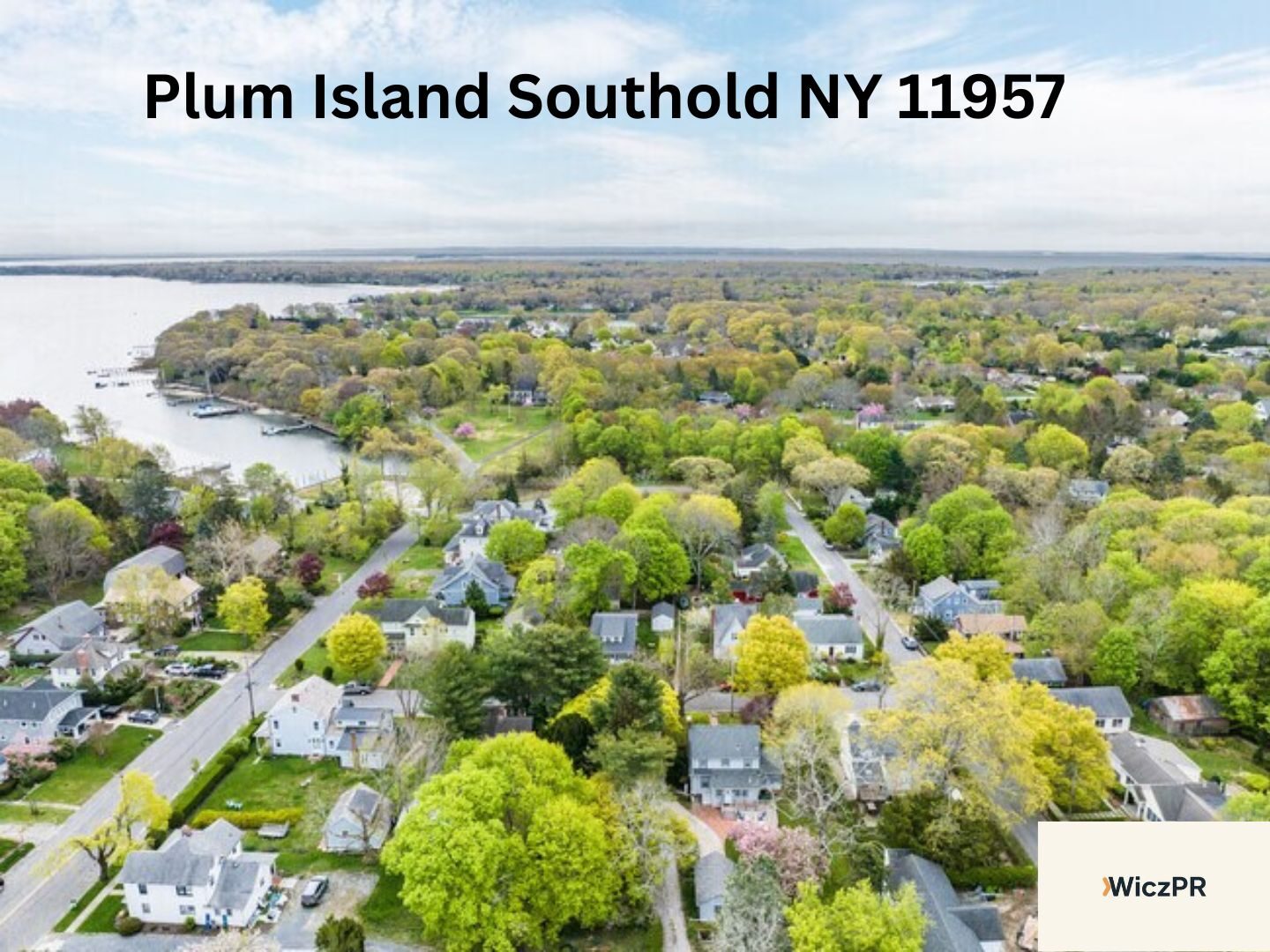
If you’ve ever heard whispers of a mysterious island off the coast of Long Island, chances are it was Plum Island — often referred to with its postal tag Southold, NY 11957. Plum Island Southold NY 11957 evokes intrigue, history, sealed-away science. Though largely off-limits to the public, the island continues to fascinate historians, conservationists, and curious travellers alike. In this article, we dive deep into everything you should know about Plum Island Southold NY 11957 — from its geography and storied past to its ecological treasures and uncertain future.
What and Where Is Plum Island Southold NY 11957?
📍 Location & Basics
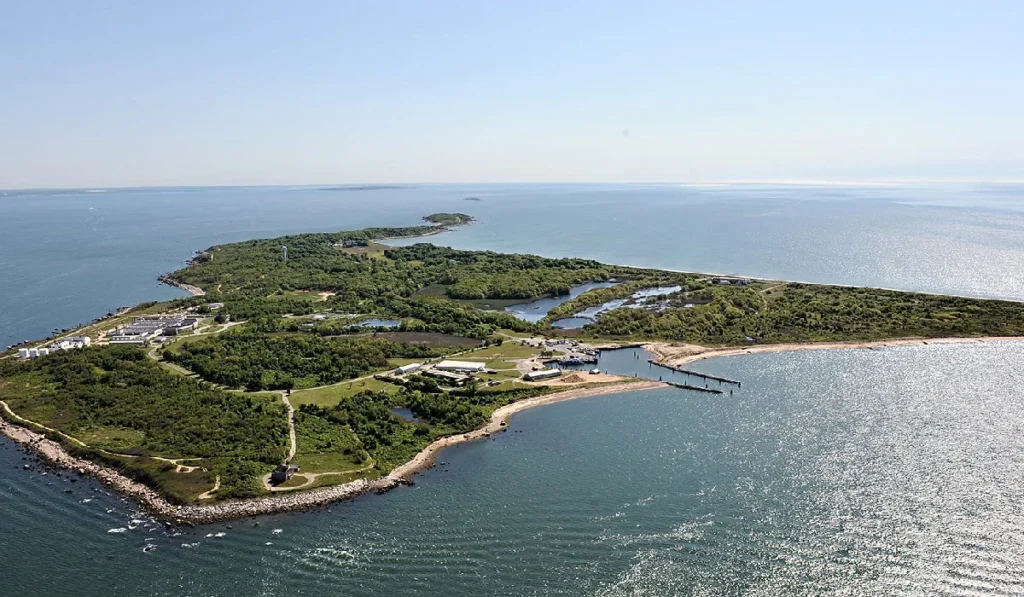
- Plum Island lies just off the tip of the North Fork of Long Island in Suffolk County, New York.
- It spans roughly 840 acres and stretches about 3 miles long and up to 1 mile wide at its widest point.
- The island falls under the jurisdiction of Southold, and its ZIP code is 11957.
- The surrounding waters lie in Long Island Sound and Gardiners Bay — the waters between the mainland (near Orient Point, NY) and the island are known as Plum Gut, a wide and sometimes turbulent channel.
What Makes It Stand Out
Plum Island is unique because it merges, historical significance, and high-security science — an unusual triad that few places can claim. Its off-limits status only adds to the mystique.
The Early History of Plum Island
Indigenous Presence
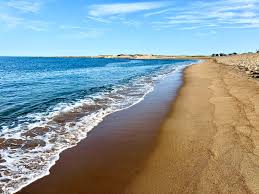
Long before European settlers arrived, indigenous peoples — likely the Montaukett or related tribes — visited Plum Island seasonally to fish, hunt, and harvest shellfish.
When Europeans explored these waters, the island was recorded under the Dutch name “Pruym Eyelant” — “Plum Island” — inspired by the beach-plum shrubs that proliferated along its shores.
In 1659, the island was reportedly purchased from a Native American chieftain by a settler, marking the beginning of colonial ownership.
From Private Land to Government Property
Over centuries, Plum Island changed hands among families and private owners. But after the Spanish–American War, in 1899, the U.S. government bought the entire island — transforming its fate forever.
Military Legacy: Fort Terry
Coastal Defense Origins
Beginning in 1897, the government established Fort Terry on Plum Island as part of America’s coastal defense efforts. This coastal artillery fortification guarded the entrance to Long Island Sound — a critical maritime route.
Fort Terry remained active through World War I and World War II. Later, in 1952–1954, it was repurposed as a facility for biological/military research before ultimately becoming a civilian research center.
Today, Fort Terry is part of the historic fabric of Plum Island — its old gun batteries, barracks, and observation posts stand as silent reminders of a bygone military era.
Science & Secrecy: Plum Island Animal Disease Center (PIADC)
Why the Island Became a Lab
In 1954, the U.S. Department of Agriculture (USDA) established PIADC on Plum Island to study foreign animal diseases — especially those affecting livestock, such as foot-and-mouth disease. The island’s isolation made it an ideal site for high-containment research.
Because federal law prohibited studying live foot-and-mouth virus on the mainland, PIADC became the only U.S. lab equipped for such research.
Years later, oversight moved from the USDA to the United States Department of Homeland Security (DHS) — though the mission remained to protect U.S. livestock and prevent catastrophic outbreaks.
What Happens There
At PIADC, scientists conduct diagnostic testing and research — sometimes performing tens of thousands of tests per year to detect or guard against foreign animal diseases like classical swine fever and African swine fever.
Researchers operate under strict containment protocols (Biosafety Level 3, BSL-3Ag), ensuring pathogens do not spread beyond the facility.
Despite the security and the serious nature of the work, the scientific community credits PIADC with helping safeguard America’s livestock industry over decades.
The Untouched Wilderness: Ecology, Wildlife & Habitat
What many people forget is that aside from its labs and historic buildings, most of Plum Island remains wild — a thriving ecosystem shaped largely in absence of public disturbance.
Diverse Landscapes
The island hosts a mosaic of coastal dunes, salt marshes, meadows, woodlands, and sandy beaches.
This variety of habitats supports a wide range of wildlife:
- Birds: Migratory and nesting species make Plum Island a critical waypoint on the Atlantic Flyway. Over 100 species of conservation concern have been documented.
- Marine life & seals: Harbor seals and other marine mammals near the waters around Plum Island — especially near tidal channels like Plum Gut.
- Native flora: Coastal plants like beach plums, seaside goldenrod, marsh grass and salt-tolerant vegetation thrive in dunes and marshes.
Because human interference has been minimal, the island functions almost like a refuge — a rare island ecosystem that remains relatively intact.
Access, Restrictions, and Public Curiosity
Why You Can’t Just Visit
Plum Island is owned by the U.S. federal government, and access is strictly controlled. The presence of PIADC and historic security protocols mean unauthorized access is prohibited.
There are no public ferries or regular tourist services — entry limited to authorized personnel for research or official business.
Where People Do See It
Even if you can’t step foot on Plum Island, there are vantage points on the mainland — especially near Orient Point and nearby coastal areas — where you can glimpse the island skyline (on clear days).
Locals, boaters, and wildlife-watchers sometimes report sightings of seals, seabirds, or other wildlife off the island’s shores — giving a taste of the island’s wild nature without entering restricted zones.
The Debate: Future of Plum Island
Proposed Sale & Public Outcry
In the early 2000s, there were plans by federal agencies to sell Plum Island to private developers — potentially opening the island to residential or commercial development.
However, environmental groups, historical societies, and local stakeholders pushed back hard.
Conservation & Preservation Movement
Thanks in part to the advocacy of organizations like Preserve Plum Island Coalition (PPIC), the sale was blocked — and the island protected for the foreseeable future.
PPIC argues that Plum Island’s ecological value, cultural heritage, and historical structures like the historic Plum Island Light Station and Fort Terry warrant designating the island as a historic preserve.
What Could Happen in Future
Possible future uses of Plum Island Southold NY 11957 may include:
- Turning it into a protected wildlife or national park.
- Offering guided eco-tours, bird-watching, seal-watching, and educational experiences.
- Preserving/restoring historic structures for heritage tourism and public education.
These proposals emphasize sustainable access, balancing public interest with preservation of fragile ecosystems and historical assets.
Why Plum Island Matters — Scientifically, Historically & Environmentally
| Domain | Importance / Contribution |
|---|---|
| Animal Health & Biosecurity | PIADC protected the U.S. livestock industry from foreign diseases, performed tens of thousands of diagnostic tests annually. |
| Coastal Defense & Military History | Home to Fort Terry — a coastal artillery fort that served in both World Wars, guarding Long Island Sound. |
| Ecology & Biodiversity | Island’s isolation fosters well-preserved habitats — salt marshes, dunes, woodlands — housing migratory birds, marine mammals, and rare flora. |
| Cultural & Educational Value | Historic names, Native American heritage, and potential for future public conservation and education initiatives. |
Plum Island stands at the intersection of defense history, biosecurity science, and — a rare trifecta that gives it cultural resonance beyond its size.
Myths, Rumors & Reality
Because of its secrecy and restricted access, Plum Island has inspired numerous myths, conspiracy theories, and speculative fiction — from rumors about biological weapons to alleged strange creatures washing up on nearby shores.
However, credible, documented evidence supports only its documented functions: livestock disease research (animal pathogens), military defense history, and — depending on future decisions — possible conservation.
While curiosity and speculation persist, advocates and scientists argue that the island’s greatest value lies in its documented history and ecological significance — not unsubstantiated legends.
If You Could Visit — What You Would See (But Can’t, Yet)
If one day Plum Island Southold NY 11957 becomes accessible (under carefully managed, conservation-minded protocols), visitors might experience:
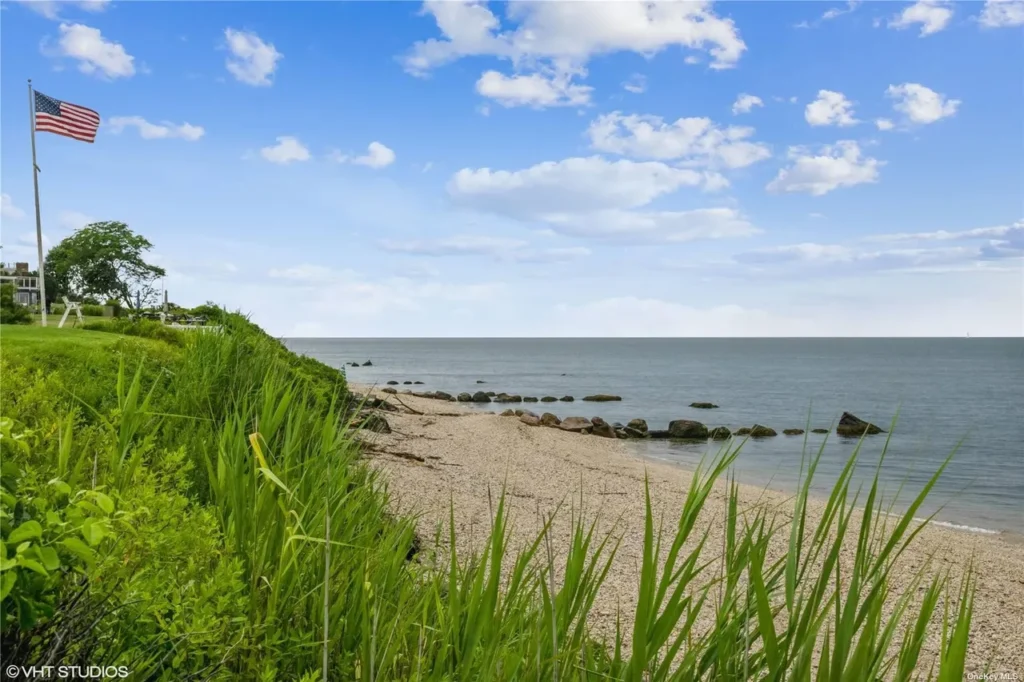
- Walking sandy beaches, dunes, and salt marsh ridges.
- Watching migratory birds, seals, and other wildlife in their habitats.
- Exploring historic buildings: remnants of Fort Terry coastal defenses, the old Plum Island Lighthouse, and possibly restored structures from the research facility.
- Learning about decades-long scientific efforts in animal health and biosecurity.
- Coastal views of Long Island Sound, Orient Point, and tranquil water horizons.
Cultivating such access would require balancing ecological sensitivity, historical preservation, and public education — a delicate but potentially rewarding endeavor.
Conclusion
Plum Island Southold NY 11957 remains one of the most intriguing slices of the American coastline — part guarded science lab, part historic military site, and part secluded. It’s a place where history, ecology, and national-security science intersect. Though closed to the public now, its future — possibly as a protected wildlife and historical preserve — holds much promise.
If you care about environmental conservation, coastal history, or the lesser-known corners of America’s heritage, keep an eye on Plum Island. Its story is far from over, and someday you or others might get to see what lies behind the mystery.
Call to Action: Support organizations advocating for preservation and responsible public access — places like the Preserve Plum Island Coalition. Share knowledge about Plum Island’s unique value and help ensure that when (or if) the island opens, it’s protected for generations to come.
FAQs
Q1: Why is it called “Plum Island Southold NY 11957”?
A: Because the island belongs to the town of Southold in Suffolk County, NY, and 11957 is the ZIP code associated with the island’s federal facilities and mailing address.
Q2: Can the public visit Plum Island Southold NY 11957 today?
A: No — the island remains under strict federal control. Access is limited to researchers, authorized personnel, and official government work.
Q3: What was the purpose of the research on Plum Island?
A: The main mission of the Plum Island Animal Disease Center was to study foreign animal diseases — particularly those threatening livestock, like foot-and-mouth disease — to protect U.S. agriculture.
Q4: Is Plum Island now abandoned or closed permanently?
A: While research operations reportedly have been winding down or moving elsewhere, the island remains under federal oversight, and no public reopening has been announced.
Q5: What makes Plum Island ecologically important?
A: Its variety of habitats — marshes, dunes, woodlands, beaches — support migratory birds, seals, and native flora. Over 100 species of conservation concern have been documented there.
Q6: Could Plum Island become a wildlife refuge or public park?
A: Yes — that is one of the proposals supported by conservation groups. Many advocates believe the island’s historic value make it ideal for preservation, education, and controlled public access.
Also Read: Wesley Britt Net Worth



Pingback: Lesa Tureaud: The Private Life of Mr. T’s Eldest Daughter - Wicz PR