


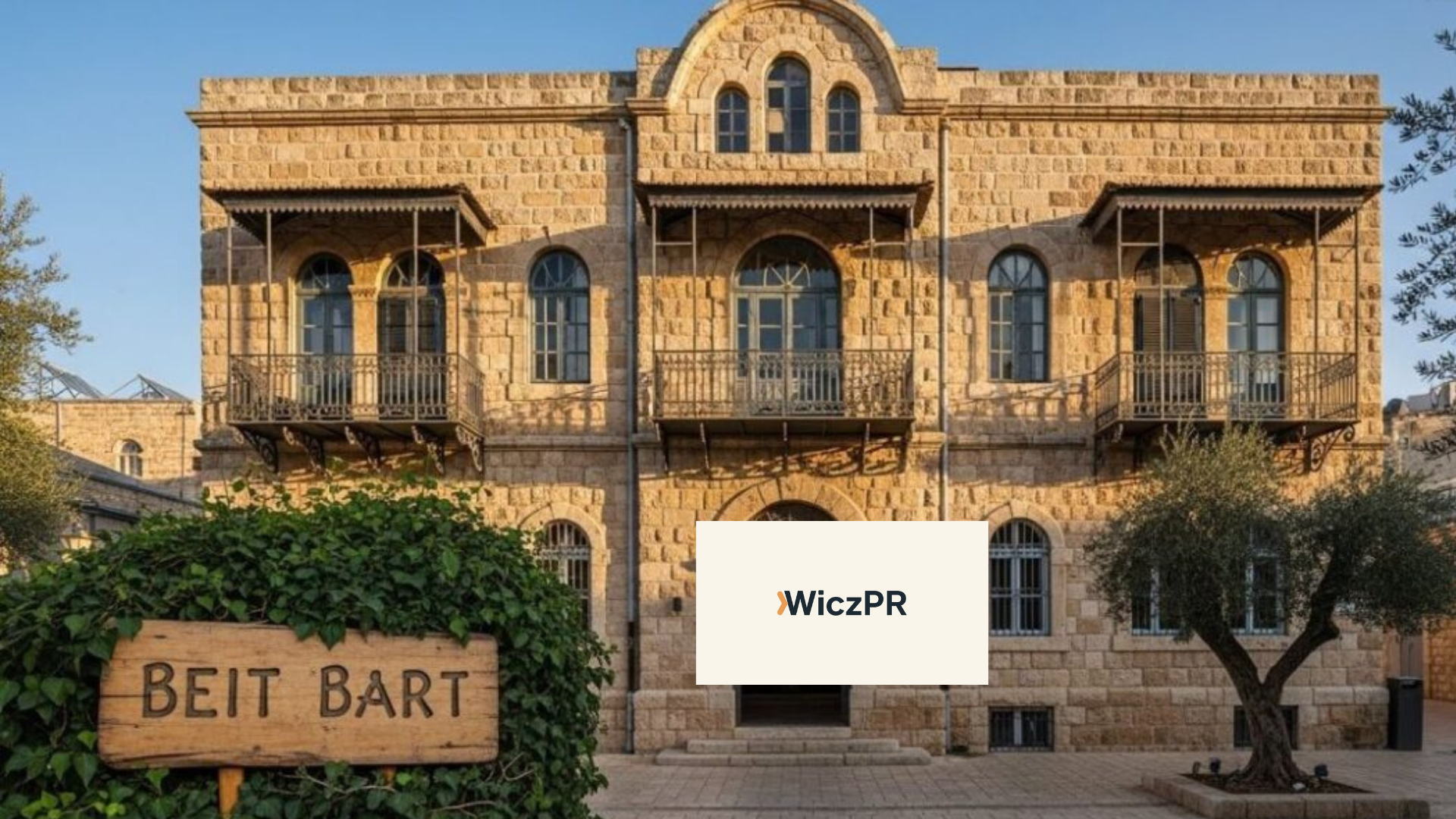
The concept of Beit Bart invites us into a world where home transcends bricks and mortar — embodying culture, lineage, community, and memory. In this article, we explore what Beit Bart means, why it matters, and how its spirit resonates in our rapidly changing world.
Introduction: Why Beit Bart Matters
Imagine a place where your roots are celebrated, stories are passed down, and every corner echoes with tradition. That’s the essence of Beit Bart — not only a physical dwelling, but a symbolic anchor for identity, belonging, and continuity. As modern life pushes us toward constant mobility, globalisation, and digitisation, Beit Bart stands as a reminder of the human longing for connection, heritage, and a place to call “home.”
In this article, we unpack the origins of Beit Bart, examine its cultural significance, explore its architectural and social dimensions, and envision how its legacy can adapt to contemporary life.
Etymology and Meaning of Beit Bart
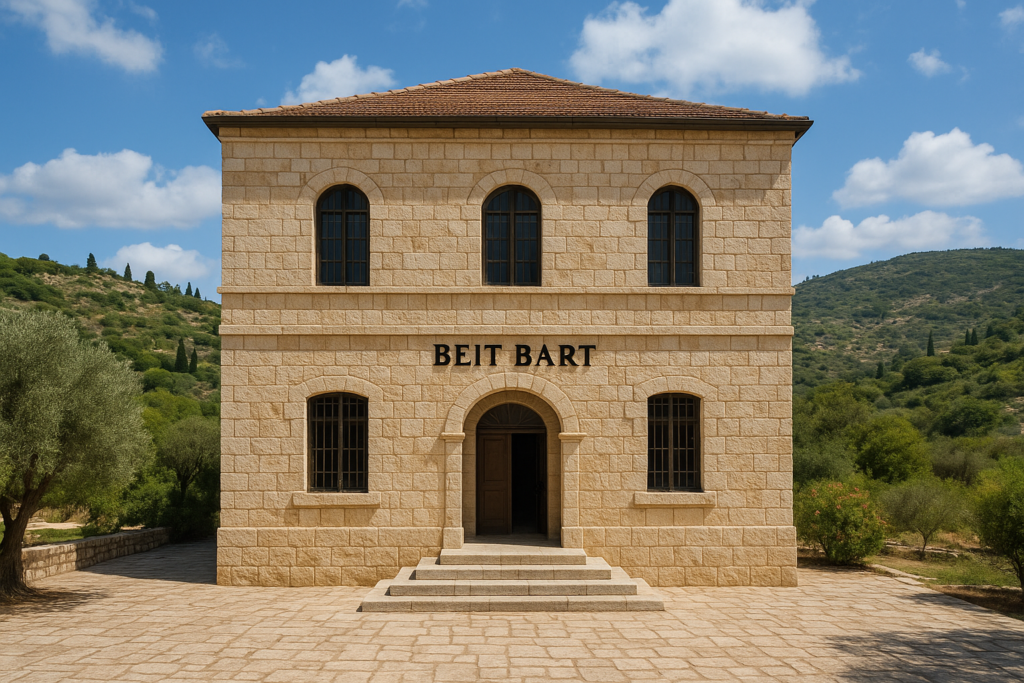
The word “Beit” (or “Bayt” / “Beit” in Semitic contexts) commonly means “house” or “home.” Wikipedia+1 The second component, “Bart,” is more fluid: in many interpretations it references a family name, lineage, or ancestral identity — turning the phrase into “House of Bart” or “Home of the Family/Lineage.” wittymagazine.co.uk+2study-ar.com+2
Thus, Beit Bart is more than a structure: it carries generational memory, heritage, and a sense of rooted identity. It becomes a metaphor for where origins, values, and community converge — a place in the collective memory.
Historical Roots — What We Know (and Don’t Know)
Because documentation about Beit Bart remains limited and often informal, tracing its exact historical roots is difficult. Online sources present Beit Bart as an evolving cultural idea rather than a concrete, dateable movement.
Traditionally, communities in parts of the Middle East and Mediterranean built homes that served not only as shelter but as multipurpose living spaces — blending domestic life, social gathering, storage, hospitality, and sometimes even small-scale trade or agriculture. These homes often housed several generations under one roof, fostering continuity in lineage, customs, and community connections.
“Beit Bart,” then, may reflect a reinterpretation of this ancestral model — binding together heritage, home, and identity under a symbolic banner.
Tangible vs. Intangible — What Defines Beit Bart
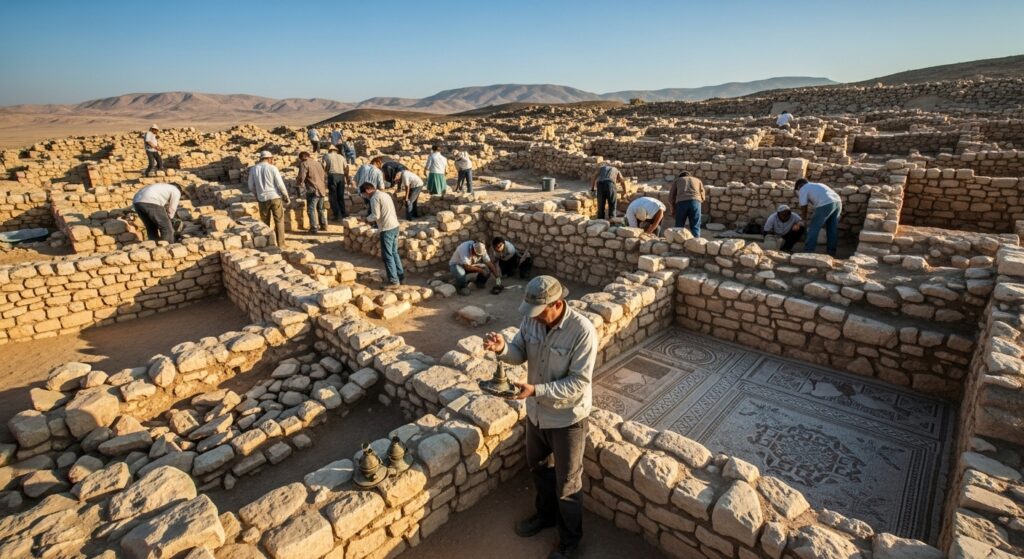
One helpful way to understand Beit Bart is through a split between its tangible and intangible aspects.
H3: Tangible Features
- Traditional architecture: thick stone or adobe walls, flat or slightly domed roofs, courtyards for ventilation and gathering. Quate+1
- Common zones: communal spaces — large halls, guest rooms, terraces — designed for family, social, or communal functions. Quate+1
- Craftsmanship and decoration: carved woodwork, stone work, tiled floors or mosaics, decorative motifs — all reflecting cultural aesthetics and artisanal heritage. wittymagazine.co.uk+1
H3: Intangible Values
- Heritage & lineage: living traditions, family stories, shared memories, ancestral identity. study-ar.com+1
- Hospitality & community: open doors to guests, collective gatherings, shared meals, cultural rituals — strengthening community bonds.
- Continuity & stability: a sense of belonging across generations, a base of identity amid changing times.
In other words, Beit Bart represents space — and spirit.
Beit Bart as Social and Cultural Center
In many traditional societies, the home was more than a private dwelling. It was a hub of family life, commerce, social interaction, and cultural transmission. Beit Bart, in this context, becomes a living institution — facilitating everything from storytelling and hospitality to family alliances, trade, and community support.
Through shared living, multi-generation cohabitation, and hospitality, Beit Bart helped preserve languages, customs, social norms, and communal identity. It also provided economic resilience — families pooling resources, sharing labor, or engaging in agriculture or trading from the home base.
H2: Beit Bart in Modern Times — Evolution & Reinvention
As urbanization, migration, and globalization took hold, many traditional homes were lost or transformed. Yet the spirit of Beit Bart didn’t vanish — instead, it evolved.
- Diaspora identity: For families abroad, “Beit Bart” may be invoked metaphorically to preserve ancestral identity — a symbolic home beyond physical walls.
- Cultural centers & heritage houses: Some restored traditional homes or compounds are repurposed as cultural centers, museums, or heritage hotels — sustaining architecture, memory, and communal values. exploreclarion.co.uk+1
- Digital Beit Bart: With online communities, diasporas, and interest in genealogy or heritage, “Beit Bart” can exist virtually — groups, forums, and networks that connect people around shared ancestry, language, and culture. study-ar.com+1
- Creative reinterpretation: Artists, writers, designers draw on the idea of Beit Bart in literature, art, and architecture — blending tradition with modern sensibilities, encouraging reflection about identity, belonging, and change. wittymagazine.co.uk+1
Thus, while the physical form may shift, the core values of Beit Bart — home, heritage, community — remain relevant.
Benefits of Embracing the Beit Bart Concept
Why should individuals, families, or communities care about reviving or acknowledging Beit Bart? Here are some compelling reasons:
- Rooted identity in a globalized world — helps preserve cultural heritage, languages, and traditions in face of homogenization.
- Strengthening family and community bonds — multi‑generational living, shared spaces, hospitality, and storytelling foster belonging, empathy, and social cohesion.
- Cultural transmission — allows passing of customs, crafts, oral histories, recipes, values across generations.
- Sustainable living & architecture — traditional designs often use local materials, passive climate control (courtyards, thick walls), and communal living that reduces resource consumption.
- Mental and emotional well‑being — sense of belonging and rootedness counters alienation, loneliness, and identity loss, especially for diaspora or migrant populations.
Challenges & Threats to Beit Bart
Despite its value, Beit Bart and similar heritage‑linked homes and traditions face many threats:
- Urbanization and modernization — old houses demolished or replaced with modern architecture; communal living gives way to nuclear‑family apartments. Quate+1
- Migration and diaspora separation — families spread across countries lose connection to ancestral homes; younger generations may be disconnected from traditions. study-ar.com+1
- Economic pressure — restoring or maintaining traditional homes or compounds can be expensive; craftsmen and artisans may lack resources or demand. exploreclarion.co.uk+1
- Cultural shift toward individualism — modern lifestyles emphasize privacy and personal space over communal living, weakening collective bonds. Quate+1
Without conscious preservation and adaptation, the living legacy of Beit Bart risks fading.
How to Revive or Create Your Own Beit Bart — Practical Ideas
Even if you don’t have a traditional ancestral house, you can still embrace the spirit of Beit Bart in modern life. Here are some practical ways:
- Family gatherings and rituals: Organize regular family dinners, storytelling nights, or celebrations that reconnect younger generations with heritage, recipes, music, or customs.
- Community groups or cultural hubs: Form or join local groups — for cultural exchange, heritage preservation, craft workshops, or genealogical research — to foster communal identity.
- Digital heritage networks: Create or participate in online forums, social media groups, or virtual reunions that emphasize ancestry, shared culture, and memory.
- Adaptive reuse of old homes: If you have access to older homes or compounds, consider restoring them — using traditional techniques — and opening them as guesthouses, community centers, or cultural spaces.
- Educate younger generations: Share stories, language, crafts, songs, and customs with children — build awareness about roots and the importance of belonging.
In short: Beit Bart can be re‑imagined — not just as a building, but as a living tradition tailored to the realities of modern life.
Beit Bart’s Role in Cultural Preservation and Identity
In a world where migration, globalization, and rapid change often blur identities, Beit Bart offers an anchor — a symbolic and practical way to preserve cultural memory, lineage, and collective identity.
From heritage architecture to online communities, from multigenerational homes to cultural centers, Beit Bart can serve as:
- A bridge between past and present — allowing traditions and values to survive across generations.
- A focal point of community unity — fostering shared responsibility, mutual support, and cultural pride.
- A space for creative expression — providing inspiration for art, literature, architecture, and identity work rooted in heritage.
- A means of resilience — offering psychological grounding, belonging, and continuity in an uncertain, mobile world.
Conclusion: The Relevance of Beit Bart
The concept of Beit Bart reminds us that home is more than a physical space — it’s a tapestry woven from memory, identity, community, and continuity. Whether as a courtyard house made of stone and wood, a heritage center in a bustling city, a diaspora community online, or simply a family gathering at dinner, Beit Bart speaks to something deeply human: the need to belong, to remember, and to pass on.
In a world that often prioritizes speed over story, efficiency over empathy, and novelty over roots, Beit Bart calls us to slow down, reconnect, and honor where we come from. By reviving its spirit — in architecture, community, or memory — we don’t just preserve buildings or traditions: we safeguard identity, belonging, and humanity.
If you care about heritage, identity, or community — consider creating your own Beit Bart. Start small. Share stories. Build bonds. Remember that home isn’t just a place: it’s a feeling we carry forward.
FAQs about Beit Bart
Q1: What exactly does “Beit Bart” mean?
The term combines the Semitic word “Beit,” meaning house or home, with “Bart,” often signifying a family name, lineage, or ancestral identity. Together, Beit Bart suggests “House of the Family/Lineage,” a dwelling rooted in heritage, memory, and belonging.
Q2: Is Beit Bart a real historical building or more of a symbolic idea?
Beit Bart is primarily presented as a cultural and symbolic concept rather than a single, identifiable historical structure. While inspired by traditional houses and ancestral homes common in certain regions, documentation is limited and many modern references treat Beit Bart as a metaphor for heritage, identity, and communal values.
Q3: Why is Beit Bart relevant in modern times?
In an era of global migration, urbanization, and individualism, Beit Bart serves as a symbolic anchor for identity, cultural memory, and community belonging. It helps preserve traditions, strengthen family and community ties, and offers a sense of rootedness in an ever‑changing world.
Q4: How can someone create their own Beit Bart today?
Even without an ancestral home, the spirit of Beit Bart can be embraced through regular family or community gatherings, cultural events, heritage‑themed spaces, digital communities, and sharing stories, customs, or crafts with younger generations. Starting small — with a dinner, a storytelling night, or a cultural workshop — can build a living sense of home.
Q5: What are the main challenges facing Beit Bart’s preservation?
Some major challenges include urbanization and modernization, which lead to the demolition or neglect of traditional homes; migration and diaspora separation; economic constraints for maintenance or restoration; and shifting cultural values that prioritize individualism over communal living.
Q6: Can Beit Bart have a future in digital or modern contexts?
Absolutely — many advocates see Beit Bart evolving as a digital or conceptual space: online heritage communities, virtual reunions, cultural networks for diasporas, and creative reinterpretations in architecture, art, or literature. The essence of belonging and community can persist outside physical walls.
Also read: Michelle Gumbel



Pingback: Kibard: Meaning, Uses, Trends & Why This Unique Concept Is Gaining Attention - Wicz PR