


Introduction
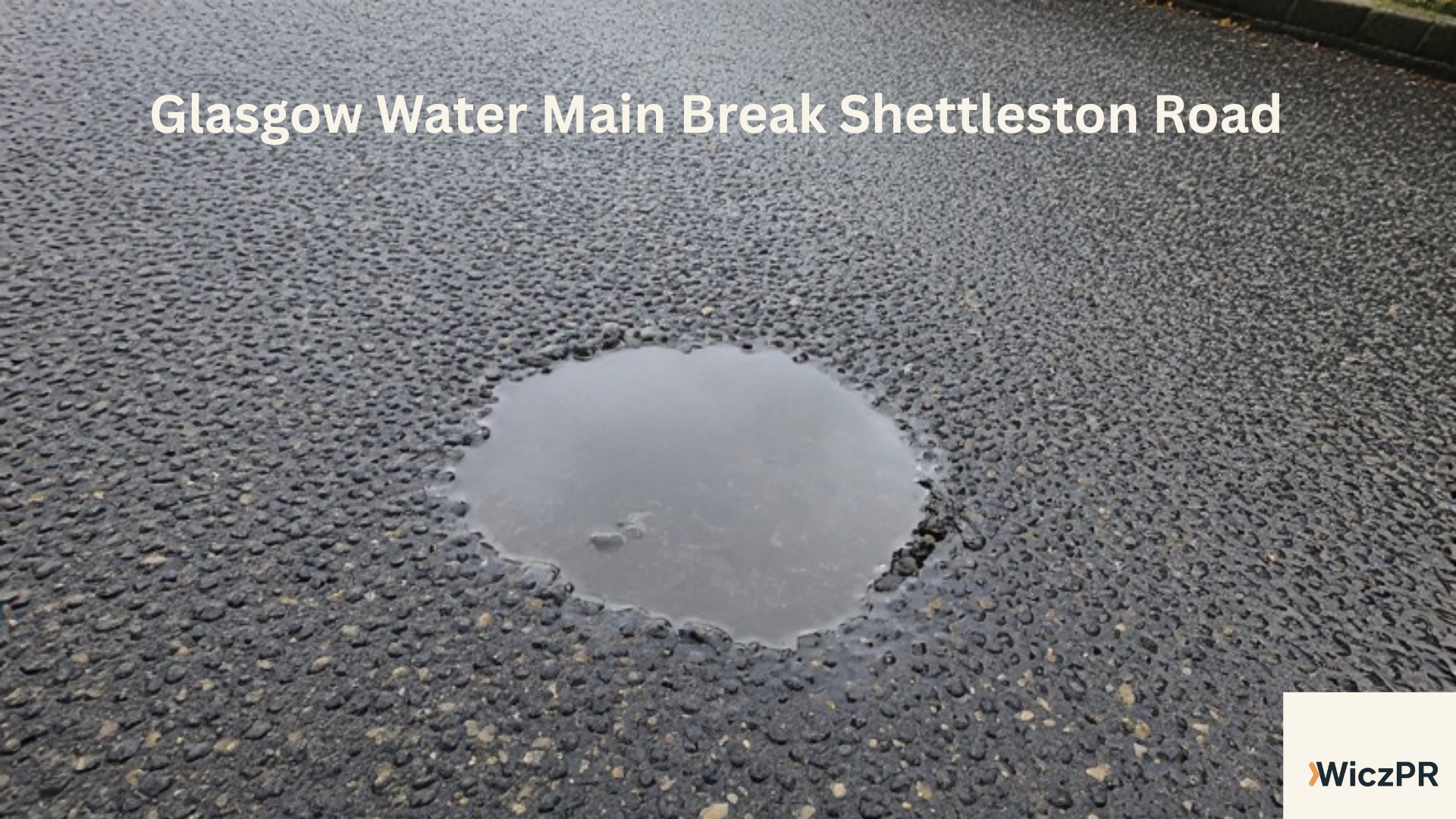
The Glasgow water main break Shettleston Road incident on 29 May 2025 has jolted many in Glasgow’s East End — road closures, water outages, flooding and disruption to daily life. This event underscores the fragility of ageing urban infrastructure and the urgent need for proactive maintenance. In this article, we’ll explore what happened, why it happened, how authorities responded, what it meant for residents and businesses, and what lessons can be learned to avoid similar crises in future.
What Happened on Shettleston Road — Overview of the Incident
- On the morning of 29 May 2025, a high-pressure water main burst beneath Shettleston Road, near the junction with Hart Street and St Mark Street.
- The rupture released a large volume of water onto roads and pavements, flooding the area and making roads impassable.
- The affected stretch covered between Old Shettleston Road and Fernan Street, extending along Shettleston Road and including nearby Westmuir to Hart Street.
- As a result, the Glasgow water main break Shettleston Road led to widespread water supply disruption, road closures, bus diversions, traffic diversions, and logistical chaos for commuters and residents.
Immediate Impact on Residents and Households

Water Supply Interruptions
Residents in the G32 postcode — largely the area around East End of Glasgow — experienced no water, low water pressure, or intermittent supply.
Even when water returned, many faced discoloured water (brown or cloudy) — a common after-effect when sediment in disturbed pipes is stirred up, or air becomes trapped.
For households, lack of reliable water impacted daily essentials — cooking, cleaning, hygiene, and for vulnerable residents (elderly, children), it posed serious inconvenience. Local guidance recommended running the cold kitchen tap slowly until water clears; avoid using hot water or appliances until supply stabilises.
Effects on Businesses
Local shops, cafés, and small businesses along Shettleston Road faced severe disruption. Without running water — or with discoloured water — many couldn’t operate safely, especially those reliant on water for food prep, hygiene, or sanitation.
Reduced foot traffic due to road closures and transport diversions further hurt business revenue.
Traffic Chaos & Public Transport Disruptions
The flooding and rupture forced authorities to close Shettleston Road from Old Shettleston Road to Fernan Street, including adjacent intersections.
Bus routes that usually ran along Shettleston Road had to be diverted, and several bus services were disrupted — causing delays and inconvenience for daily commuters.
Commuters reported journey times increasing substantially, especially during peak travel hours. Local transport infrastructure and residents were under strain until repairs progressed sufficiently to restore safe access.
Why Do Water Mains Break? — Underlying Causes
The “Glasgow water main break Shettleston Road” is not an isolated oddity — it reflects deeper systemic issues common in older urban water networks. Some contributing factors include:
- Aging infrastructure: Many water mains in Glasgow (and across older cities) date back several decades, and with time pipes corrode, weaken, or degrade.
- Ground movement or shifting soils: Urban ground pressures, changes in ground composition, or nearby works can stress underground pipes.
- Sudden pressure fluctuations: High demand, rapid changes in water flow, or abrupt closures/openings of valves can strain mains — especially weaker or older sections.
- External damage: Excavations, ground works or other third-party interference can inadvertently damage mains.
In the Shettleston Road case, preliminary assessments suggest a rupture in the main supply pipe below the road — likely exacerbated by some of the contributing factors above.
Response by Authorities — What Was Done

Emergency Response and On-Site Repairs
Immediately after the burst, crews from Scottish Water were dispatched to isolate the damaged section, stop the leak, and begin repair works.
Road closures were implemented and traffic management set up to ensure safety around the repair site. Pedestrian access, vehicular access, and bus services were all managed dynamically.
Authorities issued public advisories to help residents cope: regarding running taps slowly, not using appliances, avoiding unnecessary water use, and being cautious about discoloured water.
Partial Water Supply Restoration
While the damaged main was isolated, Scottish Water worked to reroute supply — where possible — using nearby valves and alternate pipeline sections. This helped restore water to many households, even before full repair completion.
However, supply pressure and quality (e.g. sediment or air in the line) remained unstable until full restoration. Residents were advised to run cold taps until clarity returned, typically within 24–48 hours.
Broader Context: Infrastructure Investment and Resilience
Notably, in late 2025, Scottish Water completed a major infrastructure investment across Greater Glasgow and surrounding regions — deploying new mains and boosting supply resilience.
As part of this, new connections allow water to be transferred across a broader network, improving capacity to respond when a trunk main fails or bursts elsewhere.
This kind of investment is crucial if future incidents like the Glasgow water main break Shettleston Road are to have less disruptive impact.
Social and Economic Cost — How Deep Did the Impact Go?
The effects of the Shettleston Road break extended beyond water and traffic. Some of the noticeable social and economic consequences:
- Businesses lost revenue: Cafés, shops, and water-dependent services suffered because they couldn’t operate without safe running water.
- Household stress and inconvenience: Families struggled to manage daily tasks like cooking or cleaning; vulnerable people (elderly, families with kids) were especially affected.
- Commuter frustration and delays: Changes to bus routes and traffic diversions made commuting difficult, potentially affecting work, deliveries, and daily routines.
- Trust in infrastructure shaken: For many residents, the incident raised concerns about whether Glasgow’s water network is sufficiently maintained and modernised.
Community Reaction and Response
Local community members responded in a mix of frustration and solidarity. On social media and community forums, residents voiced anger over the disruption, but also sympathy and neighbourly support. Some offered help to elderly neighbours, shared water, or offered alternate bathing/washing arrangements.
Many questioned why a major pipeline would burst — whether investment and maintenance have been neglected, or whether more proactive upgrades are long overdue. This reflects a broader public demand for transparency, infrastructure accountability, and resilience planning.
Lessons from the Shettleston Road Incident — What We Must Learn
From examining the Glasgow water main break Shettleston Road incident, several important lessons emerge:
- Aging infrastructure needs proactive renewal. Waiting until a pipe bursts causes far more disruption than gradual replacement or maintenance.
- Monitoring and smart detection systems matter. Implementing pressure-sensors or leak detection systems can flag stress early — potentially preventing catastrophic bursts.
- Rapid emergency response & communication is vital. Quick action by authorities and clear guidance to residents minimizes harm and uncertainty.
- Community preparedness helps. Households knowing what to do (e.g. how to flush taps, store emergency water, support vulnerable neighbours) can weather outages better.
- Long-term infrastructure planning builds resilience. Investments like those recently completed by Scottish Water — broader connectivity, redundancy, backup supply — reduce impact when failures occur.
What You Can Do as a Resident — Practical Advice
If you live in or near Glasgow, especially in older neighborhoods:
- Store some emergency water — a few liters can help during sudden water outages.
- Have a basic water-use plan — know how to flush taps safely, avoid appliances when supply is just restored, and ensure water is clear before consumption.
- Stay informed via official channels — follow updates from Scottish Water; if you’re on a “priority” register (elderly, medical needs), ensure your contact info is up to date.
- Check your household plumbing if you live in an older building — internal plumbing can be vulnerable when pressure or water quality fluctuates.
- Advocate for infrastructure investment — community awareness and pressure help local authorities prioritise pipe replacement and resilience upgrades.
Conclusion
The Glasgow water main break Shettleston Road has been more than a local disruption — it has shed light on the vulnerabilities hidden beneath urban life. Water is one of the most essential utilities we often take for granted; when supply breaks down, the effects ripple through daily routines, businesses, and community life.
While the swift response from Scottish Water and local authorities helped restore supply, the incident also serves as a clear warning: without continued investment, maintenance, and modernisation, similar breaks will likely recur.
For residents, preparedness matters. For policymakers and utilities — prioritising infrastructure resilience matters even more. As Glasgow moves forward, lessons from this incident must guide efforts to ensure that trustworthy water supply remains a given, not a luxury.
If you live nearby or care about urban infrastructure, now is the time to stay informed — and stay ready.
Frequently Asked Questions (FAQs)
Q: What exactly caused the Glasgow water main break Shettleston Road?
A: The break was caused by a rupture in a major high-pressure water main beneath Shettleston Road. Contributing factors likely included aging pipe infrastructure, ground movement or soil shifts, and water pressure fluctuations.
Q: Which areas were most affected by the Shettleston Road break?
A: The primary impact was felt in the G32 postcode area around Glasgow’s East End — especially households and businesses along Shettleston Road between Old Shettleston Road to Fernan Street, and nearby Westmuir to Hart Street.
Q: How long did it take to restore water supply after the break?
A: Repair times varied depending on the damage severity. For some residents, supply was restored within hours; for others, especially where rerouting and network re-balancing were involved, it took longer. Even after supply restoration, water may remain discoloured for 24–48 hours.
Q: What should residents do if their water turns brown or cloudy after the burst break?
A: It’s advised to run only the cold kitchen tap at low pressure until the water runs clear. Avoid using hot water or appliances, and avoid running multiple taps simultaneously. If discolouration persists beyond 24–48 hours, contact the water provider.
Q: Is this kind of incident likely to happen again in Glasgow?
A: Without further upgrades and proactive maintenance, yes — old water mains remain vulnerable. However, recent investments by Scottish Water (new mains, improved network resilience, two-way supply connections) are designed to reduce the likelihood and impact of future breaks.
Q: How can residents help improve resilience against future water main bursts?
A: Residents can register for priority services (if vulnerable), stay informed about repair schedules, maintain a small emergency water supply, support neighbours during outages, and engage with local authorities to advocate for infrastructure investment and transparency.
Also read: Kibard



Pingback: Tsunaihaiya: Meaning, Origins, Benefits & Modern Significance of an Ancient Cultural Concept - Wicz PR